
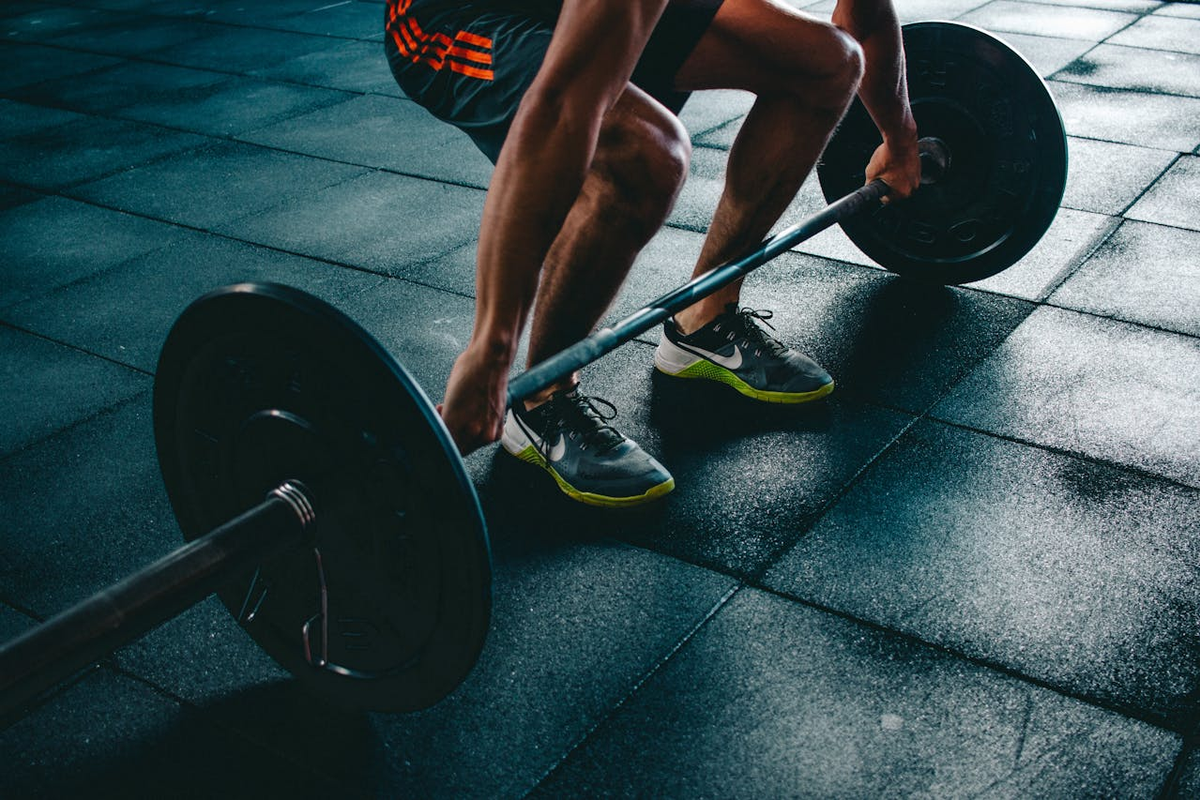
A home workout area does not need to resemble a commercial gym to be useful. The trick is knowing what will support your training and what will simply take up room. Before spending money on weights, machines, or accessories, consider the movements you want to practise, the space you have, and how you plan to progress. A home personal trainer can help match equipment to your goals, but you can start with a modest setup. This guide separates practical essentials from purchases you can postpone, so you spend your budget on equipment you will genuinely use, not things you rarely use.
Table of Contents
- What Does a Functional Home Training Space Actually Need?
- What Is Worth Buying First?
- What You Can Skip or Buy Later
- Choose Your Home Training Setup Based on Your Fitness Goals
- How to Set Up Your Home Training Space in Five Practical Steps
- Common Home Training Setup Mistakes to Avoid
- Build a Home Training Space That Works for You
What Does a Functional Home Training Space Actually Need?
Start with enough clear floor space to perform planned movements without hitting furniture, walls or light fixtures. You don't need a separate room; a section of the living room may work if you can clear it consistently. A dedicated gym isn't essential; space needs vary by exercise.
Pay attention to the surface and storage. The floor should be stable and non-slip; keep heavy equipment away from places where it could tip or block an exit. Leave room to extend your arms, step in different directions and get on and off the floor. A mat can help with floor exercises, but it cannot make an unsafe surface suitable.
A specialised personal trainer for home workouts can evaluate your room setup and layout.
- Clear loose objects and trip hazards.
- Check overhead clearance and nearby furniture.
- Keep water and items within reach.
- Store weights securely after each session.
What Is Worth Buying First?
A small collection of versatile items can cover many exercises, but the right starting point depends on your experience, goals and movement needs. The following are equipment recommendations for regular activity and muscle-strengthening exercise:
- Resistance bands: Lightweight and easy to store, they add resistance to selected movements. Choose bands suited to your exercises and check them for wear before use.
- Dumbbells or adjustable weights: Useful for progressively loading squats, presses, rows and other strength exercises. Choose a load you can control with good technique; one weight will not suit every movement.
- Exercise mat: Helpful for floor exercises, mobility work and comfort on a suitable surface. It may be unnecessary if your floor is already comfortable and secure.
- Stable support: A purpose-built bench or sturdy chair can assist with certain exercises. Use only furniture that stays firmly in place and is designed to bear your weight.
- A way to track sessions: A notebook or phone note can record exercises, repetitions and resistance, helping you see when a workout needs adjusting.
Working with a home personal trainer for 1-on-1 sessions can help you understand what you already own and identify the most useful next purchase instead of recommending a long shopping list. Start small, learn to use each item safely, and add equipment only when your routine clearly calls for it.
What You Can Skip or Buy Later
Not every item marketed for home gyms is a priority. Use this table as a guide: equipment is worthwhile when it meets a real need and fits your space.
| Equipment | Buy it when… | Skip or postpone it when… |
|---|---|---|
| Treadmill or exercise bike | You prefer indoor cardio or need an all-weather option. | Outdoor walking meets your needs, and you have limited space. |
| Weight bench | Your programme includes exercises that benefit from one. | Your routine works safely without it. |
| Pull-up bar | It fits securely, and you plan to train pull-ups. | Your doorway is unsuitable, or you do not need pull-ups yet. |
| Multiple dumbbell sets | You need varied loads and have space to store them. | Adjustable weights cover your current programme. |
| Large multi-gym machine | You have room and will use its functions regularly. | You are new to training or would use few functions. |
| Branded accessories and gadgets | If an item solves a real comfort or tracking problem. | It duplicates what you own or has no clear purpose. |
Before buying, consider use, storage, adjustability and safety, not just an advert. Assess whether each item fits your routine, space and budget before deciding whether it deserves a place in your home. Prioritise items you will use consistently; upgrade when your training calls for it.
Choose Your Home Training Setup Based on Your Fitness Goals
- For general fitness: Bodyweight squats, wall push-ups, step-ups, and brisk indoor movement offer a solid starting point. Add a mat or light resistance only if it helps you perform movements comfortably.
- For strength development: Choose resistance that challenges you while letting you maintain controlled technique. Dumbbells or bands can support varied exercises, and progression matters more than owning several types of equipment. Adults should do muscle-strengthening activity involving major muscle groups on at least two days each week.
- For weight management: Combine a realistic activity routine with strength work and aerobic movement you can sustain. A treadmill is optional; outdoor walking, dancing or low-impact routines can also contribute.
- During GLP-1-assisted weight loss: Resistance training may support strength and preserve lean mass as part of a broader plan. Specialised machines aren't required, but we suggest discussing medication decisions with your prescribing clinician.
A home personal trainer can tailor exercises and equipment to your ability, space, and goals. If an injury or medical condition affects exercise, seek appropriate guidance before changing your routine.
How to Set Up Your Home Training Space in Five Practical Steps
1. Define your goal.
Decide whether you want to build strength, improve general fitness or add movement to your week. This guides the equipment you will actually use.
2. Measure the area.
Check the space needed for standing, reaching, stepping and floor exercises. Keep doors, walkways and exits clear.
3. Choose a simple starting kit.
Select items suited to your planned exercises. You may need only a mat and bands, or weights if you're prioritising progressive strength work.
4. Check safety.
Use a stable, non-slip surface; inspect bands for damage; and avoid furniture that shifts or cannot support your weight. Keep children and pets away while lifting.
5. Review and adjust.
After a few weeks, note what you use regularly and where your programme feels limited. Add equipment only when it solves a specific problem.
A home personal trainer can review your space and adapt exercises to the equipment you have. This can help if you are unsure how to progress safely or modify movements. The aim is a setup that supports consistency, not a room full of gear, gradually.
Common Home Training Setup Mistakes to Avoid
- Buying before planning. Equipment may not suit your goals or fit the room.
- Choosing weights that are too heavy. Control matters more than lifting the biggest load.
- Ignoring clearance. Check your full movement path, not just the space beneath a mat.
- Leaving gear out. Store weights and bands safely to reduce trip hazards.
- Progressing too quickly. Increase the challenge gradually, and seek professional advice if pain or other concerning symptoms arise.
Working with a home personal trainer for private workouts can help you adapt exercises to your situation.

Build a Home Training Space That Works for You
You do not need to buy everything at once. Start with what supports your routine. For tailored guidance, AbhiiFit provides a home personal trainer for 1-on-1 coaching to support your first steps.
FAQ Section
- Choose a clear corner where you can stretch your arms, step safely and perform floor exercises. Keep a foldable mat and compact equipment nearby, and store everything after training to keep the room functional.
- Depending on the exercise, a sturdy, stable chair may support seated movements or certain modifications. For floor presses and other exercises, the floor itself may work. Avoid lightweight or wheeled furniture that could shift during training.
- Start with a weight you can lift through the intended movement with control and good technique. The final repetitions should feel challenging without compromising form. If you struggle or experience pain, reduce the load and reassess.
- Use suitable exercise mats or protective flooring designed for your equipment, and avoid dropping weights. Choose controlled movements, soft-soled training shoes, and quieter exercises during early or late hours.
- Neither machine is essential. Brisk walking outdoors, dancing, stair climbing where safe, and bodyweight circuits can all contribute to physical activity. Choose options you enjoy and can sustain, alongside suitable nutrition and strength training, for long-term weight management.

